
What Is This Peptide and How Does It Support Recovery?

TB-500: What It Is and Why Athletes Are Using It for Recovery
Unlike most peptides, TB-500 is primarily composed of the naturally occurring actin-sequestering protein thymosin beta-4, which is present in virtually all human cells. This peptide promotes systemic cellular migration and differentiation, enabling it to accelerate wound healing and tissue repair throughout the body. By upregulating actin production, TB-500 reduces inflammation and aids in regenerating damaged muscle fibers, tendons, and even cardiac tissue. It is typically administered via subcutaneous or intramuscular injection, with dosing protocols tailored to the specific injury severity.
What Is This Peptide and How Does It Support Recovery?
TB-500, the synthetic version of Thymosin Beta-4, is a naturally occurring peptide that orchestrates cellular repair. After a torn muscle sidelines a climber mid-season, TB-500 steps in by binding to actin, a protein essential for cell structure. This binding allows it to promote endothelial cell migration, effectively laying down new blood vessels to restore blood flow to damaged tissue. It also reduces inflammation at the injury site, creating a clean environment for regeneration. A key insight here is
TB-500 doesn’t just numb pain—it accelerates the fundamental rebuilding of muscle fibers, tendons, and ligaments by telling the body’s repair cells exactly where to go and what to do.
Users often report faster return to full range of motion and strength after strains or chronic overuse injuries.
Defining the synthetic peptide and its origin
TB-500 is a synthetic copy of the naturally occurring thymosin beta-4, a peptide present in virtually all human and animal cells. Its origin is derived from this endogenous protein, which is critical for cell migration and formation. The synthetic version is engineered via solid-phase peptide synthesis to replicate the 43-amino-acid sequence of the natural molecule. This laboratory production ensures a highly purified, stable compound for research and therapeutic application. By mimicking the structure of natural thymosin beta-4, the synthetic peptide is designed to bind to the same actin monomers, facilitating tissue regeneration at the molecular level.
Primary mechanisms for accelerating tissue repair
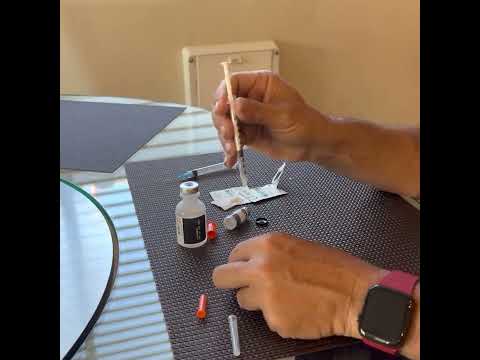
TB-500 accelerates tissue repair primarily by binding to actin, which promotes cell migration and angiogenesis. This action recruits stem cells and endothelial cells to injury sites, directly rebuilding vascular networks and cellular structure. It also upregulates proteins like thymosin beta-4, which reduces inflammation and prevents scar tissue formation. The peptide further stimulates matrix metalloproteinases to clear damaged extracellular matrix, allowing fresh, healthy tissue to regenerate faster.
- Stimulates actin binding to enhance cell motility toward wounds
- Promotes angiogenesis for improved blood supply to damaged areas
- Reduces fibrosis by downregulating excessive collagen deposition
- Upregulates survival signals in stressed cells to prevent apoptosis
Key Benefits for Muscle, Joint, and Connective Tissue Health
TB-500 is a powerful regenerative peptide that delivers key benefits for muscle, joint, and connective tissue health by significantly accelerating repair and reducing recovery time. It directly promotes actin production, the primary protein in muscle cells, leading to faster healing of micro-tears and full-thickness muscle injuries. For joints and connective tissues like tendons and ligaments, TB-500 enhances cellular migration and blood flow, helping to rebuild damaged collagen and restore range of motion. This allows users to address chronic stiffness and reduce inflammation around sensitive joints after strenuous activity. The result is robust tissue remodeling, improved flexibility, and a tangible reduction in soreness, making it a practical choice for supporting the structural integrity of the body’s movement system.
How it promotes faster healing from injuries
TB-500 accelerates injury repair by directly targeting actin, a core cellular protein, to spur new blood vessel formation and cell migration to the damaged site. This rapid mobilization delivers essential nutrients and oxygen while clearing debris, dramatically shortening recovery time from pulled muscles or torn ligaments. By modulating inflammation precisely at the injury zone, it prevents excessive swelling that hinders healing, allowing the body to jump directly into tissue reconstruction. This accelerated tissue regeneration enables athletes to return to full function weeks faster than natural recovery timelines.
Reducing inflammation and fibrosis in damaged areas
TB-500 directly targets chronic inflammation within damaged muscle, joint, and connective tissue by modulating the actin cytoskeleton, which disrupts the persistent inflammatory signaling that hinders recovery. This action reduces pro-inflammatory cytokine production, creating a cellular environment where fibrosis, or excessive scar tissue formation, is actively discouraged. By promoting proper tissue remodeling rather than chaotic repair, TB-500 helps break the cycle of chronic irritation and stiffness. The result is improved tissue elasticity and a reduction in pain associated with fibrotic adhesion formation.
TB-500 simultaneously curbs inflammation and prevents fibrosis, allowing damaged tissue to remodel cleanly rather than forming stubborn scar tissue.
How to Properly Administer and Dose the Compound
TB-500 is typically administered via subcutaneous injection, with a standard research dose ranging from 2.5mg to 5mg per week. For optimal results, divide this total weekly amount into two equal doses given 3–4 days apart, such as Monday and Thursday. Do not exceed 5mg in a single injection to avoid diminishing returns. Reconstitute the lyophilized powder with bacteriostatic water, aiming for a concentration that allows a manageable injection volume of 0.2–0.5mL. Rotate injection sites between the abdomen, thigh, or upper arm to minimize tissue irritation. This TB-500 dosing protocol is often maintained for 4–6 weeks, followed by a maintenance phase of 2.5mg weekly. Always use sterile technique and a new syringe for each administration to ensure proper compound administration.
Common injection protocols and frequency recommendations
For TB-500, the standard protocol involves subcutaneous injection near adipose tissue, rotating sites like the abdomen or thigh to prevent irritation. A typical loading phase recommends 2.5–5 mg administered twice weekly for the first 4–6 weeks, followed by a maintenance phase of 2.5 mg weekly. Consistent frequency cycles are critical to sustain systemic levels; missing doses reduces bioavailability. Some users adopt a twice-weekly split of 2.5 mg to minimize peak-and-trough fluctuations.
- Use 1 mL insulin syringes for precise sub-Q dosing.
- Inject at 90 degrees into pinched skin to ensure depot delivery.
- Space doses exactly 3–4 days apart for stable plasma concentrations.
- Do not exceed 10 mg per week to avoid receptor desensitization.

Factors that influence ideal dosage for different users
The ideal dosage of TB-500 varies significantly based on the user’s body weight, with heavier individuals often requiring a higher total milligram amount to achieve comparable systemic effects. The nature and severity of the injury or chronic condition also dictate adjustments, as acute tears may necessitate a loading phase with higher weekly doses, while maintenance for joint health uses a lower, less frequent schedule. Activity level and metabolic rate further influence dosage, as athletes with rapid turnover may need more frequent administration to sustain plasma levels. Finally, prior response to therapy or concurrent use of other peptides can refine the effective dose, highlighting individualized dose titration as essential for balancing efficacy and risk.

Expected Timeline for Visible Results and Recovery Gains
For TB-500, an initial reduction in joint stiffness and improved sleep quality is often reported within the first week. Visible recovery gains, such as faster healing of soft tissue injuries and decreased muscle soreness after workouts, typically become noticeable between the second and fourth week of consistent use. Significant structural repair, like the resolution of chronic tendonitis, usually requires a full 8-to-12-week cycle, with maximal results emerging after the course is completed. Q: When can I see results from TB-500? A: Expect early mobility improvements in 1–2 weeks, with substantial healing and recovery gains solidifying by weeks 4 to 8, depending on injury severity and dosing protocol.
Early signs of effectiveness in the first few weeks
During the first few weeks, you might notice quicker soft tissue recovery as minor aches and stiffness start to fade faster than usual. Sleep quality often improves, and general joint mobility feels less restricted during daily movement. Some users report a subtle reduction in lingering inflammation, especially around old strains or tendinopathy sites. These early signs are subtle but consistent, indicating the peptide is beginning to support repair pathways without dramatic changes. It’s not a sudden fix, but a gradual easing of chronic irritations.
Long-term improvements in tissue strength and flexibility
While initial healing may surface within weeks, users typically observe long-term tissue remodeling after 8–16 weeks of consistent TB-500 use. This phase is defined by progressive increases in tensile strength and pliability, as the peptide stimulates actin and myosin synthesis alongside collagen reorganization. Improvements follow a clear sequence:
- Reduction in fibrotic adhesion density, allowing freer gliding of muscle and fascia.
- Steady enhancement of elastic recoil in previously rigid tendons and ligaments.
- Final stabilization of load-bearing capacity, reducing reinjury risk during heavy or explosive movements.
Cumulatively, these changes yield a suppler, more resilient connective tissue matrix that supports peak performance.
Selecting a High-Quality Product and Avoiding Common Pitfalls
The lab coat was barely off before Mark unboxed his TB-500 vial, but the powder was caked and brown—a sure sign of moisture damage. He’d learned the hard way that high-quality TB-500 should be a pristine, white lyophilized plug. To avoid this pitfall, always verify the source has independent third-party lab results matching the batch number. Q: How do you spot a subpar TB-500 product before reconstitution? A: Look for discoloration, a missing or brittle plug, and a manufacturer that won’t provide a clear certificate of analysis. Mark now rejects any vial that doesn’t arrive in a sealed, desiccated container, and he never buys from vendors who dodge questions about purity standards.
What to look for in purity, form, and sourcing

When evaluating TB-500, prioritize a lyophilized (freeze-dried) powder form, as liquid solutions often degrade faster. Purity should exceed 98% verified by a third-party HPLC analysis report. Avoid peptides reconstituted with bacteriostatic water containing significant visible particles or discoloration. For sourcing, select a manufacturer that provides a Certificate of Analysis (CoA) for each batch, confirming absence of endotoxins and heavy metals. The peptide’s mass should match the advertised milligram weight within a tight tolerance (e.g., ±5%). Never purchase from vendors lacking batch-specific documentation or offering pre-mixed liquids, as these indicate compromised stability and potential adulteration.
Focus on lyophilized form, verified HPLC purity above 98%, and batch-specific CoA documentation from the source to ensure stability and avoid degraded or counterfeit peptide.
Storage tips to maintain peptide stability

To maintain TB-500’s fragile structure, always store lyophilized peptide in a cool, dark, and moisture-free environment, ideally at -20°C. Avoid repeated freeze-thaw cycles; reconstitute only with bacteriostatic water and refrigerate at 2-8°C for up to 30 days. Desiccate the vial if humidity is a concern. Never vortex or shake harshly—swirl gently to prevent degradation. Light exposure rapidly destabilizes the chain, so keep strate labs the vial inside an opaque container.
Store TB-500 lyophilized at -20°C, reconstituted in the fridge, protect from light and moisture—gentle handling ensures stability.
Frequently Asked Questions from First-Time Users
First-time users frequently ask about TB-500 dosage for beginners, with a common starting protocol being 2.5 mg to 5 mg administered twice weekly via subcutaneous injection. Another critical question is whether it requires cycling; experts advise a 4-to-6-week cycle followed by a break equal in length to prevent tolerance. Many inquire about reconstitution, which involves bacteriostatic water gently swirled (never shaken) to avoid breaking the peptide chains. Users also wonder about injection sites for first-time users, with rotating sites like the abdomen or thigh recommended to minimize irritation. Finally, a top concern is timeline for results—typically 3 to 7 days for initial systemic benefits, though individual response varies.
Can it be stacked with other recovery peptides?
Yes, TB-500 is commonly stacked with other recovery peptides, most frequently with BPC-157. This combination is considered synergistic because TB-500 promotes systemic angiogenesis and cell migration, while BPC-157 focuses on local tissue repair and inflammation reduction. Users often administer them concurrently to accelerate healing from acute injuries or chronic tendon issues. A typical protocol involves cycling both for four to six weeks. Another viable stack is with IGF-1 LR3 for muscle regeneration, though this pairing requires more careful dosing due to overlapping growth signals. Stacking TB-500 with BPC-157 remains the most evidence-backed approach among user reports for injury recovery.
Are there any side effects or contraindications to know about?
Yes, first-time users should be aware of specific potential side effects of TB-500. Common reactions include mild redness or pain at the injection site, temporary dizziness, or slight nausea. More significant contraindications involve individuals with active cancers, as TB-500 may promote angiogenesis. Additionally, users with bleeding disorders or those on anticoagulants should avoid this peptide due to a risk of increased bruising or uncontrolled bleeding. Always consult a healthcare provider before beginning use, especially if you have a pre-existing condition or are taking any prescription medications.
Category : Uncategorized