
Exploring Vanuatu Learning Education and Cultural Insights

Exploring Vanuatu Learning: Education and Cultural Insights
Vanuatu, an archipelago located in the South Pacific Ocean, is known for its rich cultural diversity and stunning natural landscapes. As the nation continues to modernize, education plays a crucial role in shaping its future. For those interested in understanding Vanuatu’s unique learning environment, a variety of vanuatu learning vanuatu education and development resources offer insights into the current educational practices, challenges, and innovations that are shaping the next generation.
The Educational System in Vanuatu
The educational system in Vanuatu consists of several levels: early childhood education, primary education, secondary education, and tertiary education. The government places a strong emphasis on universal access to education, with policies aimed at increasing enrollment rates and improving retention, particularly in remote areas.
Early Childhood Education
Early childhood education (ECE) is critical in Vanuatu, serving as the foundation for lifelong learning. Various organizations work in the territory to promote ECE, focusing on developing children’s social, emotional, and cognitive skills. Community-based programs and non-governmental organizations play a significant role in delivering these services, often integrating cultural teachings and local languages into the curriculum.
Primary Education
Primary education in Vanuatu is compulsory for children aged 6 to 14 years. The curriculum is designed to be relevant to the local context, incorporating not just academic subjects but also local languages, culture, and agricultural practices. However, challenges such as teacher shortages, limited resources, and disparities between urban and rural areas affect the quality of education.
Secondary Education
Secondary education follows primary education and is crucial for preparing students for higher education or vocational training. Although there are efforts to expand access to secondary schools, many students still face barriers due to economic constraints and geographic isolation. Vocational education and training (VET) programs have been introduced to offer practical skills tailored to the job market needs.
Tertiary Education
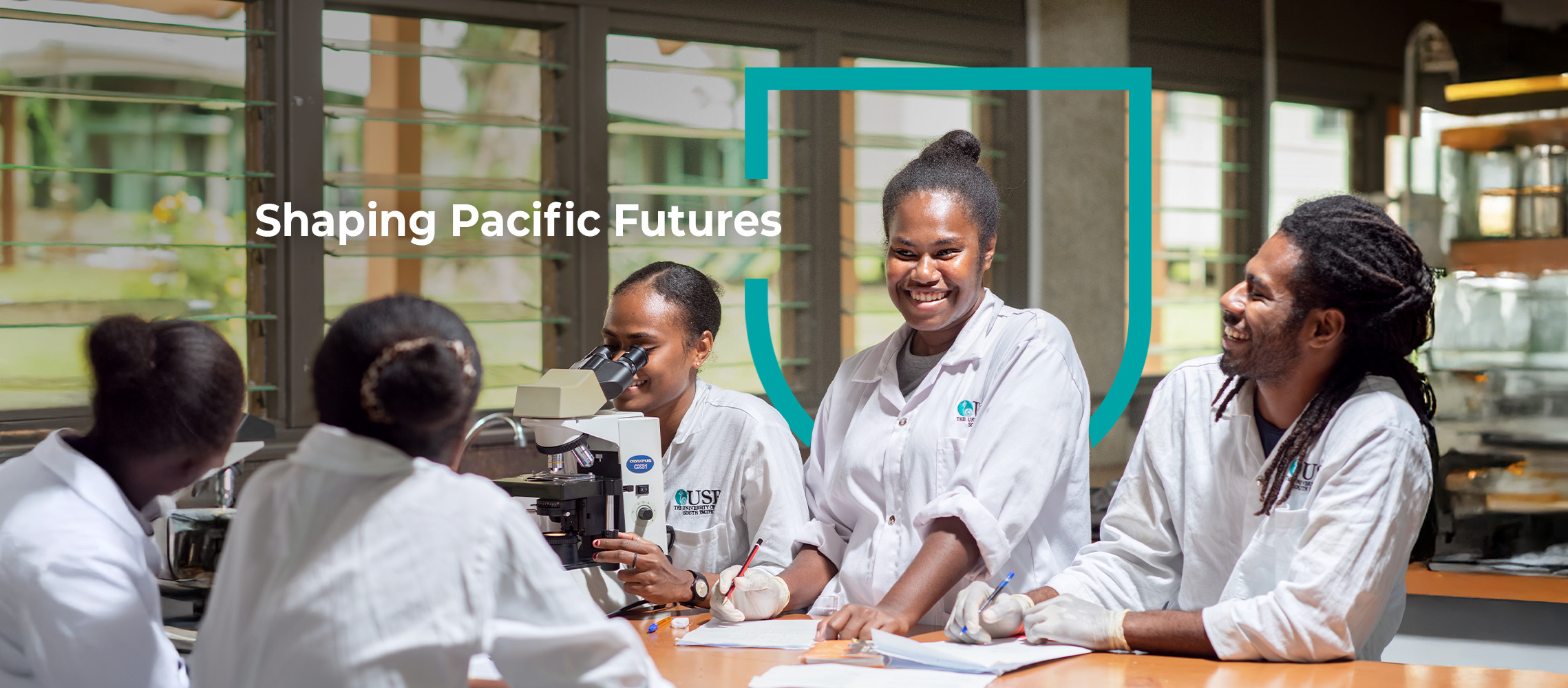
Vanuatu has limited options for tertiary education, with the primary institution being the University of the South Pacific (USP), which provides degree programs in various fields. Students often face challenges regarding funding and scholarships, which can limit their access to higher education.
Cultural Integration in Learning
Cultural education is a vital aspect of the learning experience in Vanuatu. With over 100 indigenous languages spoken across the islands, educational programs often promote multilingualism and cultural awareness. Such integration not only helps preserve cultural heritage but also enriches the learning environment for students.
Promoting Local Languages
Incorporating local languages into the curriculum fosters a sense of identity and belonging among students. It has been shown that children learn better when instruction is delivered in their native language, which helps them grasp foundational concepts more effectively.
Traditional Knowledge and Practices
The education system aims to blend traditional knowledge with formal education. This includes teaching agricultural practices, traditional crafts, and cultural rituals, thereby encouraging students to value their heritage while preparing them for modern challenges.
Challenges in Vanuatu’s Education Sector
Despite the progress made, several challenges persist within Vanuatu’s education sector. Geographic isolation, economic constraints, and resource limitations continue to hinder access to quality education. Furthermore, the need for trained teachers remains a pressing concern, as many rural areas struggle to attract qualified personnel.
Teacher Training and Professional Development
Strengthening teacher training programs and ongoing professional development is crucial for improving educational outcomes. Various organizations are working towards enhancing the skills of teachers through workshops and continuous learning opportunities. This focus on teacher quality is essential for fostering effective teaching practices and improving student success rates.
Infrastructure and Resources
Many schools in Vanuatu suffer from inadequate infrastructure and resources. Overcrowded classrooms, insufficient learning materials, and lack of basic facilities hinder the learning process. There is a growing need for investment in educational infrastructure to create conducive learning environments.
Innovations in Vanuatu Learning
In recent years, several innovative approaches have emerged to address challenges within the education sector. Technology integration, community involvement, and partnerships with various stakeholders are becoming increasingly important in enhancing educational outcomes.
Use of Technology in Education
Technology offers promising solutions for overcoming some of the barriers faced by students and teachers. Online learning platforms, educational apps, and digital libraries are being introduced to make learning resources more accessible, especially for those in remote areas. By harnessing technology, Vanuatu can bridge the educational gap and create new opportunities for learners.
Community Engagement
Community involvement is vital for the success of educational initiatives in Vanuatu. Local communities are being encouraged to actively participate in school governance, curriculum development, and after-school programs. This engagement fosters a sense of ownership and accountability, leading to improved educational outcomes.

The Role of International Partnerships
International partnerships play a significant role in supporting Vanuatu’s education sector. Various organizations collaborate with local governments and schools to provide training, resources, and funding. These partnerships help to align educational initiatives with global best practices, ensuring that Vanuatu’s education system evolves to meet the needs of its people.
In conclusion, Vanuatu’s education landscape reflects the unique blend of its cultural heritage and modern challenges. Emphasizing local languages, traditional practices, and community involvement while leveraging technology and international support can pave the way for a more equitable and effective education system. By investing in its education, Vanuatu can empower its youth to thrive in a rapidly changing world while preserving their rich cultural identity.
Category : Uncategorized